When winter arrives in a cold climate, closing your swimming pool is usually a straightforward decision. The pool gets winterized, the plumbing is protected from freezing, and everything is prepared for spring.
But what about your hot tub?
If you know you won’t be using your hot tub during the winter, should you leave it running and continue paying for electricity, heating, and chemicals? Or does it make more sense to have the hot tub professionally winterized and opened again in the spring?
The answer depends on several factors, including the age and condition of your hot tub, its insulation, your local winter temperatures, electricity costs, and how long you expect it to sit unused.
At Waterworx Pools, we help homeowners prepare their pools and hot tubs for the changing seasons. Here’s what you should consider before deciding how to handle your hot tub this winter.
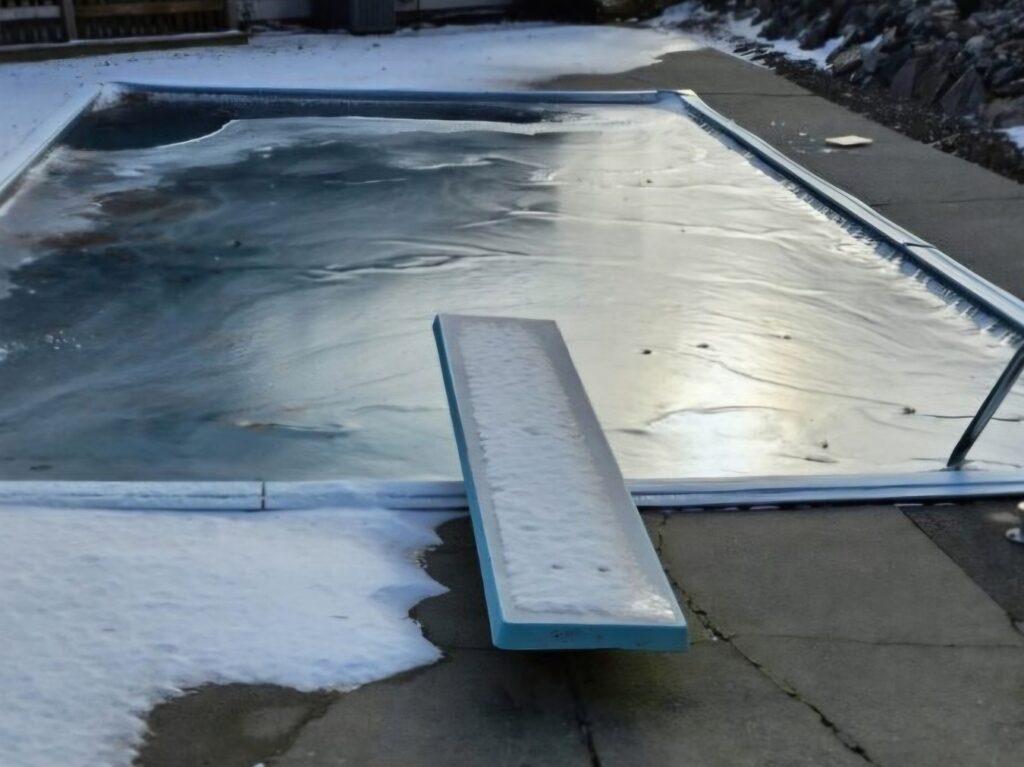
Why Do We Close Swimming Pools for Winter?
In cold climates, swimming pools are commonly closed because maintaining an outdoor pool throughout freezing weather can be expensive and unnecessary when the pool isn’t being used.
Winter pool closing typically involves:
Lowering the water level as appropriate
Balancing or adjusting the water chemistry
Cleaning the pool
Blowing water out of plumbing lines
Adding appropriate winterizing products
Protecting equipment
Installing a winter cover
The goal is to prevent freezing water from damaging pipes, pumps, filters, heaters, and other components.
A properly winterized pool can then remain closed until spring.
But Hot Tubs Are Different
A hot tub is a much smaller body of water than a swimming pool, but it has significantly more plumbing and equipment packed into a relatively small space.
It also normally operates at a much higher temperature.
That creates an important consideration:
If you completely shut down a hot tub during a Canadian winter, it must be properly winterized.
Simply turning off the power and leaving the water in the tub is not a safe winterization strategy.
Even a small amount of water trapped in plumbing can freeze, expand, and potentially damage components.
Can You Just Turn Off the Hot Tub?
This is one of the biggest mistakes homeowners can make.
If your hot tub is going to be left unused through freezing temperatures, it needs to be properly prepared for the winter.
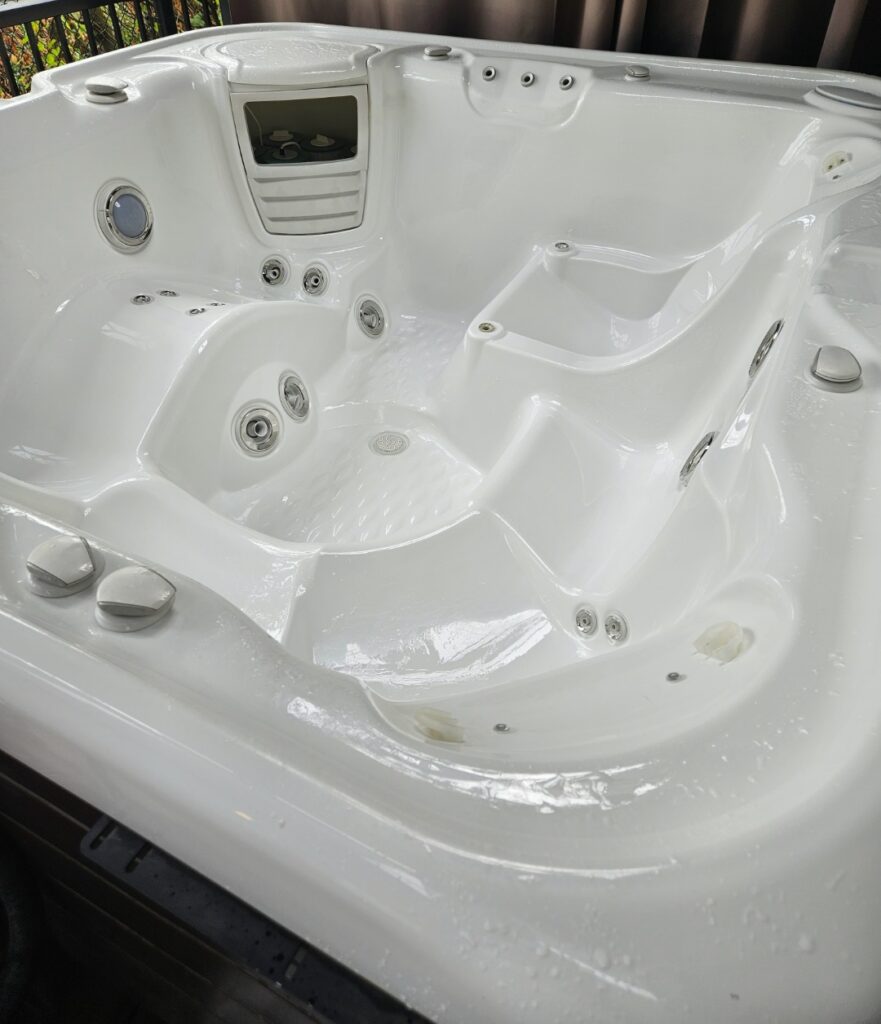
A proper hot tub winterization can include:
Draining the tub
Removing water from the plumbing lines
Clearing water from pumps and equipment
Removing or protecting filters as appropriate
Addressing residual water in plumbing and jets
Cleaning the shell
Protecting the cover
Ensuring the system is fully protected from freezing
The exact process depends on the hot tub and equipment.
That’s why professional winterization can be worthwhile if the tub will be out of service for several months.
Keeping Your Hot Tub Running All Winter
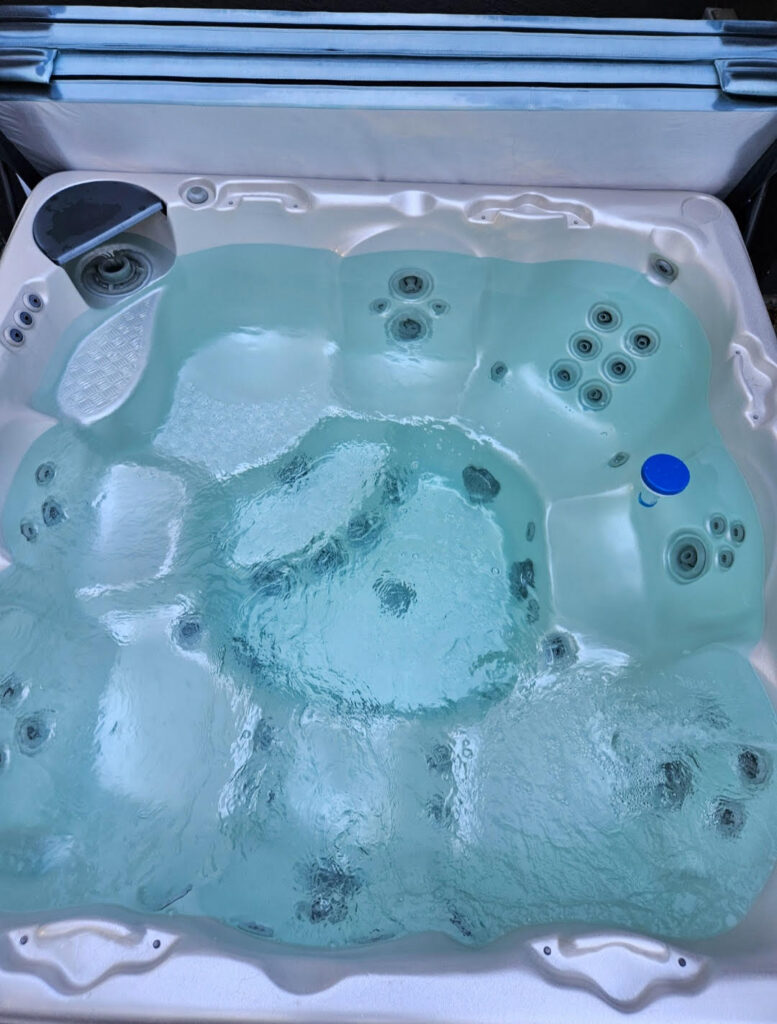
The alternative is to keep the hot tub operational.
This means maintaining the water temperature, circulation, filtration, sanitation and water chemistry throughout the winter.
There are some significant advantages to this approach.
- You Can Use It During Winter
For many homeowners, this is the biggest reason to keep the hot tub running.
A hot tub can be particularly enjoyable in cold weather. If you plan to use it regularly, keeping it operational may make more sense than shutting it down.
- The System Remains Operational
The hot tub continues circulating and filtering water, rather than sitting unused for several months.
- No Spring Reopening
When spring arrives, you don’t have to schedule a full reopening and refill simply because you winterized the tub.
However, keeping a hot tub running also comes with ongoing costs.
The Cost of Running a Hot Tub in Winter
The biggest expense is usually energy.
A hot tub must maintain a relatively high water temperature despite cold outdoor conditions. Depending on the tub’s insulation, cover, age, location and weather exposure, energy consumption can vary considerably.
You will also continue paying for:
Electricity
Chemicals
Water
Filter maintenance
Cleaning
Routine service
Potential repairs
A well-insulated modern hot tub with a good-quality cover can perform very differently from an older tub with deteriorated insulation or a damaged cover.
This is why there isn’t one universal answer to the question:
“Is it cheaper to keep my hot tub running or close it for winter?”
It depends.
When Does Hot Tub Winterization Make Sense?
Winterizing may make sense when you know you won’t use the hot tub for an extended period.
For example, if you’re going away for the entire winter or simply don’t enjoy using your hot tub in cold weather, paying to heat and maintain several hundred gallons of water for months may not provide much value.
Winterization may also be worth considering if your hot tub is:
Older
Poorly insulated
Rarely used
Located in an exposed area
Experiencing equipment problems
Covered by an aging or poorly fitting cover
However, the potential energy savings should be weighed against the cost of professional winterization and spring reopening.
When Should You Keep Your Hot Tub Running?
Keeping your hot tub operational may make more sense if you plan to use it regularly throughout the winter.
It can also be a practical choice if the tub is relatively energy efficient and properly maintained.
Before making the decision, check the condition of your:
Hot Tub Cover
A good cover is extremely important for heat retention.
If the cover is waterlogged, damaged, poorly fitted or losing its insulating ability, the hot tub may require substantially more energy to maintain temperature.
Insulation
Modern hot tubs can have substantial insulation designed to reduce heat loss. Older tubs may not perform as efficiently.
Equipment
A properly functioning heater, pump, circulation system and controls are important for reliable winter operation.
Water Chemistry
If you keep the hot tub open, it still needs regular chemical testing and maintenance.
Leaving it unattended for weeks at a time is not the same as properly winterizing it.
What About Freezing?
Freezing temperatures are the biggest concern when deciding whether to shut down a hot tub.
If you keep the hot tub operational, the heating and circulation systems help protect the water and plumbing from freezing.
If you winterize it, the objective is different: remove as much water as possible from the plumbing and equipment so there is little available to freeze and expand.
A partially drained hot tub that is left sitting outside through freezing weather can be at significant risk of damage.
That’s why professional winterization is especially important in areas where temperatures can remain below freezing for extended periods.
Hot Tub Closing vs. Keeping It Running: A Simple Comparison
Consideration
Keep Hot Tub Running
Winterize Hot Tub
Winter use
Yes
No
Electricity costs
Ongoing
Minimal after closing
Chemical costs
Ongoing
Minimal after closing
Winter maintenance
Required
Minimal
Spring reopening
Not normally required
Required
Freeze protection
System remains operational
Requires proper winterization
Best suited for
Regular winter users
Long-term non-use
Don’t Forget the Cost of Reopening
When comparing the two options, don’t only look at the cost of closing.
Consider the complete seasonal cycle.
If you winterize your hot tub, you may have costs for:
Winter closing + spring opening + water + chemicals + startup maintenance
Compare that with:
Electricity + chemicals + maintenance + potential service costs throughout winter
The cheapest option on paper isn’t necessarily the best option for every homeowner.
What About Going Away for a Few Weeks?
If you’re only leaving for a short vacation, completely winterizing a hot tub may not make sense.
Instead, there may be ways to reduce energy consumption while maintaining the system, depending on the manufacturer’s recommendations and the length of your absence.
For longer periods of non-use, however, professional winterization becomes more worth considering.
Before changing temperature settings or shutting equipment down, consult your hot tub manufacturer’s recommendations. Some systems are designed to remain operational during cold weather and may have specific vacation or energy-saving settings.
Pool Closing vs. Hot Tub Closing
The biggest difference is that pool closing is generally seasonal by design in cold climates, while hot tub winterization is more dependent on whether you intend to use the tub.
A swimming pool is usually closed because most homeowners don’t want to maintain a large outdoor swimming pool through freezing weather when it isn’t being used.
A hot tub is different because winter is often its most appealing season.
If you love using your hot tub on cold evenings, keeping it running may be the obvious choice.
If you know you’ll never use it until spring, winterization may be worth considering.
The Bottom Line
If you’re not going to use your hot tub all winter, you have two main options:
Keep it running: You’ll continue paying for electricity, chemicals and maintenance, but the hot tub remains ready to use and protected by its operating systems.
Winterize it: You’ll eliminate most ongoing operating costs, but you’ll pay for professional closing and eventually reopening—and the hot tub must be properly winterized to protect the plumbing and equipment from freezing.
The right choice depends on your hot tub, your winter weather, your energy costs and, most importantly, how long the tub will sit unused.
If you’re unsure which option makes sense for your hot tub, a professional can evaluate the equipment, insulation, cover and overall condition and help you understand the seasonal maintenance requirements.
Need Help Closing Your Hot Tub for Winter?
Getting your hot tub ready for a Canadian winter is more than simply pulling the plug.
Proper winterization helps protect the plumbing, pumps, heater and other components from freeze damage and makes spring startup easier.
Waterworx Pools can help with seasonal pool and hot tub maintenance, closing and opening services.
Contact Waterworx Pools to discuss your winter pool or hot tub needs and determine the right approach for your property.
Protect your Hot Tub, Protect your equipment. Enjoy greater peace of mind all winter long.
Waterworx Pools Ltd.
Professional Pool & Hot Tub Winterization
Serving Vancouver, Langley, Surrey, Abbotsford, Mission, Chilliwack & the Fraser Valley
Call Waterworx Pools Ltd. (Waterworx Pools and Hot tub) at 604 744 1500 to schedule your Hot Tub closing.
Copyright ©️ / Waterworx-pools.com – All Rights Reserved –